Merton: El camino interior

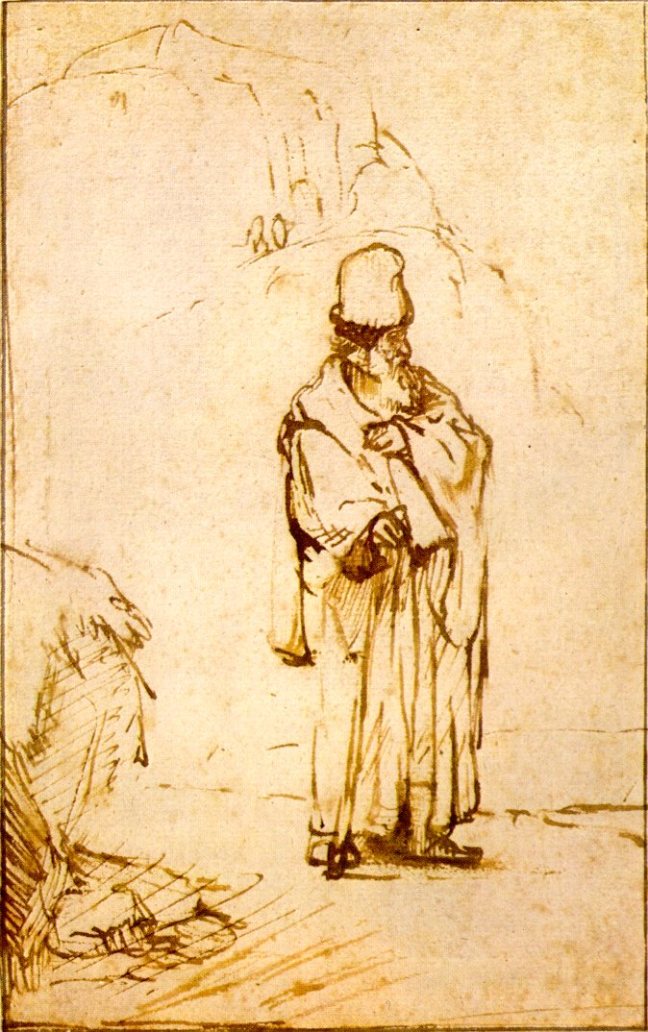
Hay caminatas que son interiores, hacia la intimidad de nuestro ser, vivir y sentipensar. El Diario de un ermitaño de Thomas Merton es un registro de una caminata de esa naturaleza; una incursión intelectual, afectiva y espiritual que, para este monje trapista del siglo XX, es también una caminata hacia Dios. Leer esas memorias, ese … Continue reading Merton: El camino interior

Thomas Merton: Libertad

Tengo un nuevo amigo: Thomas Merton. Desde hace años he querido leer los diarios de este monje trapista, amigo personal y mentor del nicaragüense Ernesto Cardenal, pero hasta ahora nunca había priorizado ese deseo de lectura, no le había dado espacio y tiempo. Suponía que sus diarios entrarían dentro del género de literatura sapiencial, al … Continue reading Thomas Merton: Libertad

Thereza Kolbe: Mensagem

Tenho curtido vários reencontros, no Brasil, nos últimos meses. Há poucos dias, por exemplo, voltei a me encontrar com a poesia de Thereza Kolbe. Em 2016, numa livraria do bairro Gonzaga em Santos, encontrei um dos seus poemários, Livro do Rio (2005). Li alguns poemas na livraria, gostei deles, e levei o poemário comigo para … Continue reading Thereza Kolbe: Mensagem

Wagamese: Light

A new friend has arrived to enrich my life. Richard Wagamese is speaking to me from the pages of his Embers: One Ojibway's Meditations, a poetic photobook of vital philosophy. I have welcomed his arrival at La Libélula, a sacred land in Tárcoles, Puntarenas--sacred to me, at least, and to the animate beings that are … Continue reading Wagamese: Light

Rumi: Liberation

I have been gazing at the mosques of Istanbul--elegant, with grand semi-spherical domes and their lean minarets. These point heavenward, as if they could pierce the sky's grander azure dome. What do they mean, at least to me? One of Rumi's rubaiyat has given me the key to interpretation. They symbolize not ambition but liberation--that … Continue reading Rumi: Liberation

Rumi: Rubaiyat at Random

You walk among the spirits of flying dervishes and the whispers of their mystical joy on the anniversary of Rumi's death. How many lives have been loved, how many loves have been lived, how many flying hearts have turned and danced in his land since 17 December 1273? How many dances have been danced, how … Continue reading Rumi: Rubaiyat at Random

Siddhartha by the River

I have been biking to the piers at Sunset Park to read Siddhartha while facing the upper bay of the Hudson River's estuary. I knew that Siddhartha's encounter with the river would be the tale's most moving chapter for me. I wanted to prepare for it by contemplating, as I read, the ebb and flow … Continue reading Siddhartha by the River

Mary Oliver: American Primitive

Lao Tzu, Rumi, David, Emerson, Wordsworth, Gibran, and Mary Oliver have taught me, over the years, that I never finish reading a book of wisdom poetry. When I read the last psalm, song, or poem, I simply put the book down for a while--sometimes for a few years--until one day whim, genius, or spiritual thirst … Continue reading Mary Oliver: American Primitive

¿Qué hacés aquí?

Fortalecido por los cuidados del ángel junto al enebro, Elías caminó cuarenta días y cuarenta noches a través del desierto para llegar al Monte Horeb. Huyendo de sus perseguidores, se refugió en una cueva. Allí escuchó a la Voz Divina preguntarle: "¿Qué haces aquí?" Elías salió de la cueva y dio su respuesta (I Reyes … Continue reading ¿Qué hacés aquí?

Ángeles junto al enebro

Elías desfalleció bajo la sombra de un enebro. Jezabel (vicisitudes, tribulaciones) lo perseguía para matarlo y Elías huía al Monte Horeb. Después de andar todo un día por el desierto, abatido tras luchas, decepciones y traiciones, se sentó bajo un enebro y le dijo a su Dios que quería morirse: "¡Basta ya!" Se acostó y, … Continue reading Ángeles junto al enebro